Back Pain 腰痛、背痛
Understanding Back Pain – Integrating TCM, Modern Assessment and TCM Rehabilitation
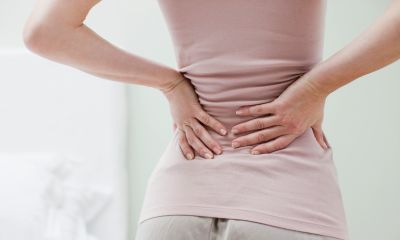
Back pain is one of the most common musculoskeletal complaints and can affect people of all ages. It may develop suddenly after lifting, exercise or injury, or gradually from prolonged sitting, poor posture, muscle imbalance, degeneration or repetitive strain.
Pain may be felt across the lower back (lumbar region), middle back (thoracic region), sacroiliac region or surrounding muscles. Some people experience a dull ache or stiffness, while others develop sharp pain, muscle spasm or pain that travels into the buttock or leg.
At JIN TCM Clinic, we integrate Traditional Chinese Medicine (TCM) with modern physical assessment, TCM Tuina, acupuncture, bone setting (Zheng Gu), cupping and rehabilitation to identify contributing factors and develop an individualised treatment plan.
What Causes Back Pain?
From a Modern Medical Perspective
Back pain is not caused by a single condition. Common causes include:
Muscle or Ligament Strain
Overstretching or overloading the muscles and ligaments of the back may occur after heavy lifting, sudden twisting, exercise or repetitive movements.
Poor Posture and Prolonged Sitting
Long hours at a desk, prolonged driving or sustained poor posture can increase muscular fatigue and place additional stress on the lumbar spine.
Lumbar Disc Herniation
The inner material of an intervertebral disc may protrude and irritate nearby nerve roots. If nerve involvement occurs, patients may also experience radiating leg pain, numbness or weakness.
Degenerative Disc Disease
Age-related changes can cause discs to lose hydration and height, potentially contributing to stiffness and mechanical back pain.
Lumbar Spondylosis
Degenerative changes affecting the vertebrae and facet joints may contribute to chronic stiffness and discomfort.
Facet Joint Pain
The small joints connecting the vertebrae can become irritated or degenerative, producing localised back pain that may worsen with extension or rotation.
Sacroiliac Joint Dysfunction
The sacroiliac joints connect the pelvis to the spine. Irritation around this region may produce lower back or buttock pain.
Muscle Imbalance
Weak core or gluteal muscles combined with tight hip flexors, hamstrings or back muscles may contribute to recurring mechanical back pain.
Sciatica
When lumbar nerve roots become irritated or compressed, pain may radiate from the lower back through the buttock and into the leg.

From a TCM Viewpoint
In TCM, back pain is commonly described as “腰痛 (Yao Tong)” and may involve obstruction of Qi and Blood circulation through the meridians or underlying constitutional deficiencies.
Common TCM patterns include:
Qi Stagnation and Blood Stasis (气滞血瘀)
Often associated with injury, overuse or sudden strain.
Pain may be:
- Sharp or fixed
- Tender to pressure
- Worse with certain movements
- Associated with previous trauma
Cold-Damp Obstruction (寒湿痹阻)
Cold and Dampness are considered to obstruct the meridians.
Patients may experience:
- Aching or heavy back pain
- Stiffness
- Symptoms aggravated by cold or wet weather
- Improvement with warmth
Kidney Deficiency (肾虚腰痛)
In TCM theory, the Kidney is closely associated with the lower back and bones.
This pattern may present with:
- Chronic dull lower back discomfort
- Weakness or fatigue
- Symptoms aggravated by prolonged activity
- Recurrent lower back soreness
Qi and Blood Deficiency (气血不足)
Insufficient nourishment of the muscles and tendons may contribute to persistent weakness, fatigue and recurrent discomfort.
Treatment is individualised according to both the structural presentation and TCM pattern.
Common Symptoms of Back Pain
Back pain may present as:
- Lower back aching or soreness
- Sharp pain during movement
- Back stiffness
- Muscle tightness or spasm
- Difficulty bending forward
- Difficulty straightening after sitting
- Pain when turning in bed
- Pain after prolonged sitting or standing
- Pain after lifting
- Buttock discomfort
- Reduced spinal mobility
- Recurrent episodes of back pain
If nerve involvement is present, patients may additionally experience:
- Pain travelling down the leg
- Numbness
- Tingling or “pins and needles”
- Leg weakness
These symptoms may indicate nerve root irritation or sciatica and require further assessment.

Diagnosis and Assessment
At JIN TCM Clinic, we take a comprehensive approach to understanding the possible contributors to your back pain.
Physical Examination
Depending on the presentation, our physicians may assess:
Posture and Spinal Alignment
We observe:
- Lumbar curvature
- Pelvic position
- Weight distribution
- Sitting and standing posture
Range of Motion
We assess movements including:
- Forward bending
- Backward bending
- Side bending
- Rotation
This helps identify movements that reproduce or relieve symptoms.
Muscle Assessment
We may assess:
- Quadratus lumborum
- Lumbar paraspinal muscles
- Gluteal muscles
- Piriformis
- Hip flexors
- Hamstrings
for tightness, tenderness and muscle imbalance.
Neurological and Nerve Tension Assessment
When nerve involvement is suspected, tests such as:
- Straight Leg Raise (SLR)
- Slump test
- Lower-limb strength
- Sensation
- Reflexes, where appropriate
may be considered.
Functional Assessment
We may also assess:
- Squatting
- Walking
- Sitting posture
- Hip movement
- Core stability
- Lifting mechanics

TCM Pattern Differentiation
Our physicians assess:
- Nature and location of pain
- Aggravating and relieving factors
- Previous injuries
- Sleep
- Digestion
- Energy levels
- Temperature sensitivity
- Tongue
- Pulse
Treatment is then tailored according to the individual's presentation.

Medical Evaluation and Imaging
If available, patients are encouraged to bring previous:
- X-rays
- MRI scans
- CT scans
- Specialist reports
- Physiotherapy reports
Imaging may help identify conditions such as:
- Disc herniation
- Degenerative disc changes
- Lumbar spondylosis
- Spinal stenosis
- Spondylolisthesis
- Compression fracture
Imaging findings are considered together with symptoms and physical examination rather than interpreted in isolation.
If we identify signs that require further medical investigation, appropriate referral will be recommended.

Integrated Treatment Approach
1. Manual Therapy / TCM Tuina
TCM Tuina may be combined with modern soft-tissue and myofascial techniques to address muscular tension and restricted movement.
Techniques May Include:
Myofascial Release:
Releasing tight fascia around the lumbar, gluteal and hip regions.
Trigger-Point / Acupoint Release:
Targeting tight areas within the quadratus lumborum, paraspinal, piriformis and gluteal muscles.
Soft-Tissue Mobilisation:
Gentle techniques to reduce muscle guarding and improve movement.
Lumbar and Pelvic Mobilisation:
Selected mobilisation techniques may be used when appropriate to improve joint movement.
Potential Benefits:
- Reduce muscular tightness
- Improve spinal mobility
- Reduce stiffness
- Improve local circulation
- Restore more comfortable movement
- Prepare the body for rehabilitation exercises
Treatment intensity is adjusted according to whether the back pain is acute or chronic.

2. Bone Setting (正骨疗法 / Zheng Gu)
TCM Zheng Gu may be considered for selected patients with mechanical back pain after appropriate assessment.
Treatment focuses on improving joint mobility, movement mechanics and musculoskeletal function rather than simply “putting the bones back into place.”
It may involve:
- Gentle lumbar mobilisation
- Pelvic mobilisation
- Sacroiliac joint techniques
- Soft-tissue release
- Movement correction
Soft-tissue preparation is generally performed before stronger mobilisation techniques when appropriate.
Bone setting is not suitable for every patient. High-force manipulation may be avoided when there is suspected fracture, severe osteoporosis, significant neurological compromise, acute trauma or other contraindications.

3. Cupping
Cupping may be applied to the lower back, thoracic region, sacrum or surrounding muscles according to the patient's condition.
Potential Benefits:
- Reduce muscular tightness
- Improve local circulation
- Relieve feelings of stiffness or heaviness
- Relax overworked back muscles
Techniques May Include:
Stationary Cupping:
Cups remain over selected muscular areas for a short period.
Sliding Cupping:
Cups are moved along muscular or meridian pathways.
Flash Cupping:
Short applications may be used in selected cases.
From a TCM perspective, cupping may also be used to address Qi and Blood stagnation or Cold-Damp obstruction.

4. Acupuncture / Electro-Acupuncture
Acupuncture is commonly incorporated into TCM management of back pain.
Treatment may target both local and distal acupuncture points according to the patient's presentation.
Acupuncture May Be Used To Support:
- Pain management
- Reduction of muscle tension
- Improvement of mobility
- Relaxation of muscle spasm
- Management of accompanying buttock or leg discomfort
For selected patients, electro-acupuncture may be used to provide controlled stimulation around tight or painful muscle groups.
The acupuncture prescription is individualised according to the location, cause and TCM pattern of the back pain.

5. Herbal Medicine – Individualised Formulas (Optional)
TCM herbal medicine may be incorporated for selected patients, particularly when recurrent or chronic back pain is associated with a broader TCM pattern.
Treatment principles may include:
Qi Stagnation and Blood Stasis
活血化瘀、通络止痛
Promote Blood circulation and relieve obstruction according to TCM principles.
Cold-Damp Obstruction
散寒除湿、通络止痛
Disperse Cold and Dampness and promote meridian circulation.
Liver and Kidney Deficiency
补益肝肾、强筋壮骨
Support the Liver and Kidney and strengthen the tendons and bones according to TCM theory.
Commonly used herbs may include Du Huo (独活), Sang Ji Sheng (桑寄生), Du Zhong (杜仲), Xu Duan (续断), Dang Gui (当归) and others depending on the individual's condition.
Herbal formulas are prescribed individually rather than using the same formula for every patient with back pain.

6. TCM Rehabilitation
Pain relief alone may not address the factors contributing to recurrent back pain.
Our physicians may incorporate rehabilitation exercises to improve strength, mobility and movement patterns.
Core Activation
Exercises may focus on improving control of the deep abdominal and spinal stabilising muscles.
Gluteal Strengthening
Weak gluteal muscles may increase reliance on the lower back during walking, lifting and exercise.
Hip Mobility
Treatment may address tight:
- Hip flexors
- Hamstrings
- Piriformis
- Gluteal muscles
Lumbar Mobility
Gentle mobility exercises may be prescribed according to the patient's condition and pain tolerance.
Functional Rehabilitation
Patients may be guided through:
- Sitting and standing mechanics
- Squatting
- Bending
- Lifting
- Returning to exercise
- Returning to work
The goal is to help patients move confidently while reducing unnecessary strain on the lower back.

What to Expect During Treatment
During your first visit, our physicians perform a detailed consultation and physical assessment to understand your symptoms and identify potential contributing factors.
If available, previous imaging or specialist reports may also be reviewed.
A personalised treatment plan may include:
- TCM Tuina / manual therapy
- Acupuncture
- Electro-acupuncture
- Bone setting
- Cupping
- Herbal medicine
- Rehabilitation exercises
- Ergonomic and lifestyle guidance
Treatment Timeline
Recovery varies depending on the cause and duration of the back pain.
Acute muscular strains may improve relatively quickly, while chronic back pain associated with degeneration, disc conditions, recurrent injury or significant muscle imbalance may require a longer period of management and rehabilitation.
Rather than promising recovery within a fixed number of sessions, we monitor:
- Pain intensity
- Range of motion
- Sitting and standing tolerance
- Walking ability
- Sleep disturbance
- Neurological symptoms
- Ability to work or exercise
Treatment is adjusted according to progress.
Normal Reactions
Some patients may experience temporary muscular soreness following manual therapy, acupuncture or rehabilitation exercises.
This should generally be mild and short-lived. Significant or worsening symptoms should be reported to the treating physician.
No Package Policy
We do not sell fixed treatment packages. Treatment frequency depends on the patient's condition, progress and rehabilitation needs.

Why Choose JIN TCM Clinic for Back Pain?
- MOH-registered bilingual TCM physicians
- Experience in TCM orthopaedics, musculoskeletal conditions and pain management
- Comprehensive physical and TCM assessment
- Review of existing X-rays, MRI scans and specialist reports where available
- Integrated approach combining acupuncture, TCM Tuina, bone setting, cupping and rehabilitation
- Individualised treatment according to the patient's condition
- Appropriate medical referral when red flags are identified
- Focus on both symptom management and restoring long-term movement and function

Book Your Consultation
Additional Information
If you experience lower back pain, stiffness, muscle spasm, recurrent back strain or pain affecting your work, exercise or daily activities, our physicians can assess your condition and develop an individualised treatment and rehabilitation plan.
If you have previous X-rays, MRI scans or specialist reports, you are encouraged to bring them to your consultation.
JIN TCM Clinic 精诚中医诊所 @ Ubi
📞 +65 8896 9398
JIN TCM Clinic 精诚中医诊所 @ Aljunied
📞 +65 8896 3210
JIN TCM Clinic 精诚中医诊所 @ Commonwealth
📞 +65 8896 0678
This page provides general educational information and does not replace medical diagnosis or emergency care. Back pain accompanied by significant neurological symptoms, major trauma or other red flags requires appropriate medical assessment.