Menstrual Pain 痛经
Understanding Menstrual Pain – Integrating TCM, Modern Assessment and Women’s Health Care
Menstrual pain, also known as dysmenorrhoea, refers to lower abdominal or pelvic pain that occurs before or during menstruation. The pain may feel like cramping, aching, heaviness or sharp contractions and can sometimes extend to the lower back and thighs.
Some women experience mild menstrual cramps, while others have pain severe enough to affect work, school, sleep and daily activities. Menstrual pain may occur without an underlying pelvic condition (primary dysmenorrhoea) or may be associated with conditions such as endometriosis, adenomyosis, uterine fibroids or ovarian conditions (secondary dysmenorrhoea).
At JIN TCM Clinic, we integrate Traditional Chinese Medicine (TCM) with modern medical assessment, acupuncture, herbal medicine and lifestyle guidance to understand the menstrual cycle as a whole—not only the pain experienced during menstruation.
Find out why
"I drink ginger tea every month, but my period cramps are still there.“
What should I do next?
What Happens in Menstrual Pain?
From a Modern Medical Perspective
During menstruation, the uterus contracts to help expel its lining. These contractions are influenced by substances known as prostaglandins.
Higher prostaglandin activity can contribute to stronger uterine contractions, inflammation and menstrual cramps.
Menstrual pain can generally be divided into two categories:
Primary Dysmenorrhoea
Menstrual pain without an identifiable underlying pelvic disease. It commonly begins during adolescence or young adulthood.
Pain typically:
- Starts shortly before or when menstruation begins
- Is strongest during the first 1–2 days
- Feels crampy or spasmodic
- May be accompanied by nausea, diarrhoea, headache or fatigue
Secondary Dysmenorrhoea
Menstrual pain associated with an underlying condition, including:
- Endometriosis: Endometrial-like tissue grows outside the uterus and may cause severe menstrual or pelvic pain.
- Adenomyosis: Endometrial tissue grows into the muscular wall of the uterus, potentially causing painful and/or heavy periods.
- Uterine Fibroids: Benign growths of the uterus that may contribute to heavy menstrual bleeding, pelvic pressure and pain.
- Ovarian Cysts: Some ovarian cysts may cause pelvic pain, particularly if they rupture, bleed or twist.
- Pelvic Inflammatory Disease: Infection and inflammation of the reproductive organs may cause pelvic pain and abnormal discharge or bleeding.
Persistent or progressively worsening menstrual pain should therefore not automatically be considered "normal".

From a TCM Viewpoint
In TCM, menstrual pain is known as “痛经 (Tong Jing)”.
A commonly used TCM principle is:
“不通则痛,不荣则痛”
Pain may occur when the normal circulation of Qi and Blood is obstructed, or when the body lacks sufficient Qi and Blood to adequately nourish the uterus and meridians.
Common TCM syndromes associated with menstrual pain include:
- Qi Stagnation and Blood Stasis (气滞血瘀):
Often associated with cramping or stabbing pain, irritability, breast tenderness and menstrual clots. - Cold Congealing in the Uterus (寒凝胞宫):
Pain may improve with warmth and worsen with cold exposure. The menstrual flow may appear darker with clots. - Damp-Heat Accumulation (湿热瘀阻):
May present with lower abdominal discomfort, a sensation of heaviness or other accompanying symptoms. - Qi and Blood Deficiency (气血虚弱):
Dull menstrual pain may occur towards the end of menstruation or after the period, often accompanied by tiredness or light menstrual flow. - Liver and Kidney Deficiency (肝肾亏虚):
May be associated with dull lower abdominal or lower back discomfort, weakness and other menstrual irregularities.
Treatment is therefore individualised according to both the menstrual symptoms and the patient's overall constitution.

Common Symptoms
Menstrual pain may be accompanied by:
- Lower abdominal cramps
- Pelvic aching or heaviness
- Lower back pain
- Pain extending to the thighs
- Nausea or vomiting
- Diarrhea or loose stools
- Headache
- Fatigue
- Dizziness
- Cold hands and feet
- Abdominal bloating
- Breast tenderness
- Menstrual clots
- Heavy or light menstrual flow
- Mood changes before menstruation
- Pain affecting work, school or sleep

Diagnosis and Assessment
Menstrual History
At JIN TCM Clinic, we take a comprehensive approach to assessing menstrual pain.
Menstrual History
Our physicians may ask about:
- Age at first menstruation
- Menstrual cycle length and regularity
- Duration of menstruation
- Menstrual flow
- Presence and size of blood clots
- When the pain begins
- Location and nature of the pain
- Whether warmth or pressure improves the pain
- Premenstrual symptoms
- Spotting between periods
- Pain during intercourse
- Bowel or urinary symptoms during menstruation
TCM Syndrome Differentiation (辨证论治)
We assess the patient's overall constitution together with:
- Menstrual characteristics
- Digestion
- Sleep
- Energy levels
- Stress
- Temperature sensitivity
- Tongue
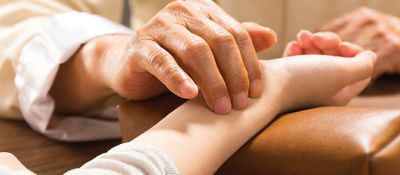
- Pulse
This allows treatment to be individualised rather than using the same treatment for every patient with menstrual pain.
Medical Evaluation
When available, we may review previous:
- Pelvic ultrasound scans
- Gynaecological reports
- Blood tests
- Hormonal investigations
- Fertility investigations
If symptoms suggest endometriosis, adenomyosis, fibroids or another underlying gynaecological condition, we may recommend further evaluation by a GP or gynaecologist.

Integrated Treatment Approach
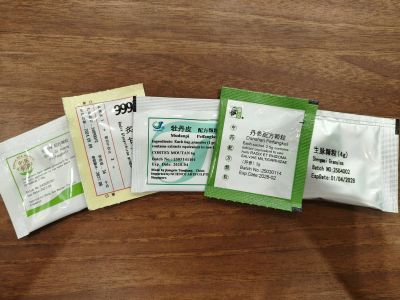
1. Herbal Medicine – Individualised Formulas
TCM herbal medicine may be prescribed according to the patient's menstrual cycle, symptoms and constitution.
Treatment principles may include:
- 疏肝理气、活血化瘀 Regulate Qi and promote Blood circulation.
- 温经散寒、活血止痛 Warm the channels, disperse Cold and relieve pain.
- 益气养血、调经止痛 Support Qi and Blood while regulating menstruation.
- 补益肝肾、调理冲任 Support the Liver and Kidney according to TCM principles.
Herbal prescriptions are individualised and may be adjusted according to different phases of the menstrual cycle.
Patients taking medications, undergoing fertility treatment, or who may be pregnant should inform the physician before taking herbal medicine.
2. Acupuncture / Electro-Acupuncture
Acupuncture is commonly used as part of TCM management for menstrual pain.
Treatment may focus on:
- Reducing menstrual pain and cramping
- Relaxing muscular tension
- Supporting pelvic circulation
- Regulating Qi and Blood according to TCM principles
- Managing accompanying symptoms such as lower back discomfort, headache or digestive symptoms
Acupuncture points are selected according to the individual's symptoms and TCM pattern.
Electro-acupuncture may be considered for selected patients experiencing more significant menstrual pain.
A mild electrical current is applied through selected acupuncture needles to provide controlled stimulation.
Treatment may also be planned according to different phases of the menstrual cycle rather than only treating when pain occurs.

3. Moxibustion
For selected TCM syndrome—particularly those associated with Cold (寒)—moxibustion may be incorporated into treatment.
From a TCM perspective, moxibustion is used to:
- Warm the meridians
- Disperse Cold
- Patients who frequently experience menstrual pain that improves with a heat pack may be assessed for this type of TCM syn.
- Relieve Cold-associated menstrual discomfort
Patients who frequently experience menstrual pain that improves with a heat pack may be assessed for this type of TCM syndrome.
Moxibustion is available at our Aljunied and Commonwealth outlets.

4. Abdominal Tuina (腹部推拿)
Abdominal Tuina is a gentle manual therapy that may be incorporated into the treatment of menstrual pain, particularly when patients experience lower abdominal tension, cramping, bloating or a sensation of coldness around the abdomen.
Unlike deep or forceful massage, the techniques are adjusted according to the patient's comfort, menstrual phase and individual condition.
Techniques May Include:
- Gentle abdominal massage: Rhythmic techniques around the lower abdomen to relax abdominal muscle tension
- Acupoint massage: Gentle stimulation of selected abdominal acupoints according to the patient's TCM pattern
- Soft-tissue release: Addressing tension around the abdominal and pelvic region
- Warming techniques: May be combined with heat or moxibustion for selected Cold-type menstrual patterns
For patients whose menstrual pain is accompanied by abdominal tightness, bloating, cold sensations or discomfort that improves with warmth and gentle pressure, abdominal Tuina may be incorporated alongside acupuncture, moxibustion or herbal medicine.
Abdominal Tuina is not suitable for every patient. It may be avoided or modified in situations such as possible pregnancy, unexplained acute abdominal or pelvic pain, very heavy bleeding, recent abdominal surgery, or when an underlying condition requires medical assessment first.

5. Lifestyle and Menstrual Rehabilitation
Treatment does not stop at acupuncture or herbal medicine.
Our physicians may provide guidance on:
Exercise
Regular gentle physical activity may help some women manage menstrual discomfort.
Depending on the individual, this may include:
- Walking
- Gentle stretching
- Core exercises
- Hip mobility exercises
- Yoga or Qigong
Heat Therapy
A warm pack over the lower abdomen or lower back may help relieve menstrual cramps for some patients.
Sleep and Stress Management
Poor sleep and high stress levels may influence how menstrual symptoms are experienced.
We may discuss:
- Regular sleep routines
- Relaxation techniques
- Breathing exercises
- Appropriate exercise
- Managing prolonged physical or emotional stress
Diet
Dietary recommendations are individualised according to the patient's symptoms and TCM constitution rather than applying the same dietary restrictions to everyone.

What to Expect During Treatment
During your first visit, our physicians will conduct a detailed consultation covering your menstrual cycle, pain characteristics, accompanying symptoms, lifestyle and medical history.
Previous ultrasound scans, blood tests or gynaecological reports can be brought to the consultation for review.
A personalised treatment plan may include:
- Acupuncture
- Electro-acupuncture
- Moxibustion
- Herbal medicine
- Dietary and lifestyle guidance
Treatment Timeline
Treatment duration varies considerably between individuals.
Some patients seek treatment primarily for pain control around menstruation, while patients with long-standing menstrual problems or underlying conditions such as endometriosis or adenomyosis may require longer-term management.
Rather than promising improvement within a fixed number of sessions, we monitor:
- Pain intensity
- Need for painkillers
- Duration of pain
- Menstrual flow
- Blood clots
- Associated symptoms
- Impact on daily activities
Progress is reviewed over subsequent menstrual cycles and the treatment plan is adjusted accordingly.
No Package Policy
We do not sell fixed treatment packages. Treatment frequency is determined according to each patient's symptoms, menstrual cycle and response to treatment.
At JIN TCM CLINIC
- MOH-registered bilingual TCM physicians
- Experience in TCM women's health and menstrual conditions
- Individualised TCM pattern differentiation
- Integration of acupuncture, herbal medicine and lifestyle management
- Review of existing ultrasound scans, blood tests and gynaecological reports where available
- Appropriate referral for further medical or gynaecological investigation when indicated
- Treatment planned according to the menstrual cycle and individual condition
- Focus on both symptom management and longer-term menstrual health
Book Your Consultation
If menstrual pain is regularly affecting your work, sleep, exercise or daily life, our physicians can assess your menstrual cycle, symptoms and overall constitution and develop an individualised treatment plan.
You are encouraged to bring along any previous pelvic ultrasound, blood test, hormonal test or gynaecological reports for review.
JIN TCM Clinic 精诚中医诊所 @ Ubi
📞 +65 8896 9398
JIN TCM Clinic 精诚中医诊所 @ Aljunied
📞 +65 8896 3210
JIN TCM Clinic 精诚中医诊所 @ Commonwealth
📞 +65 8896 0678
This page is for general educational purposes and does not replace medical diagnosis or treatment. TCM treatment should be individualised. Patients with severe, unusual or worsening menstrual or pelvic pain should seek appropriate medical or gynaecological assessment.